
As organisations take on more complex initiatives, delivery risk increases alongside scale. Missed dependencies, unclear ownership, and late visibility into issues can derail progress quickly. A disciplined tracking approach helps teams surface risks early and maintain control throughout execution.
Reliable project tracking tools give organisations continuous insight into task status, dependencies, and accountability. By consolidating updates in one place, teams reduce blind spots and ensure potential risks are identified before they escalate into delays.
When risk monitoring relies on ad hoc updates, warning signs are often missed. Teams may only recognise problems once timelines slip. Structured tracking creates transparency around progress and blockers, allowing corrective action to be taken while options remain open.
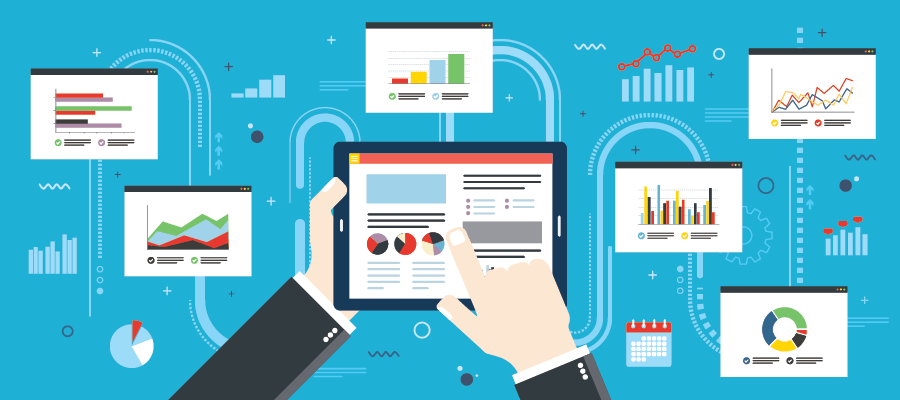
Clear tracking frameworks also strengthen accountability. Visible owners, deadlines, and progress indicators make expectations explicit, encouraging proactive communication. This clarity reduces reliance on last-minute interventions and supports steadier, more predictable delivery outcomes.
As projects evolve, project tracking tools play a key role in risk mitigation. Managers can assess impact, reallocate resources, and adjust priorities based on real-time information rather than assumptions or incomplete reports.
Consistent tracking supports better contingency planning. Defined statuses and historical data help teams anticipate common issues, refine estimates, and build resilience into future initiatives, strengthening delivery maturity over time.
For organisations managing parallel projects, shared tracking standards are essential. A unified view of progress and risk improves coordination across teams, reduces duplication, and ensures decisions consider the broader operational landscape.
Selecting the right Project tracking software brings risk awareness and execution together. A central platform connects updates, accountability, and timelines, enabling teams to manage uncertainty while maintaining delivery momentum.
Ultimately, disciplined tracking improves confidence in execution. By aligning teams around transparent progress and early risk visibility, organisations deliver more reliably, adapt faster to change, and strengthen long-term operational performance.